
Blogs
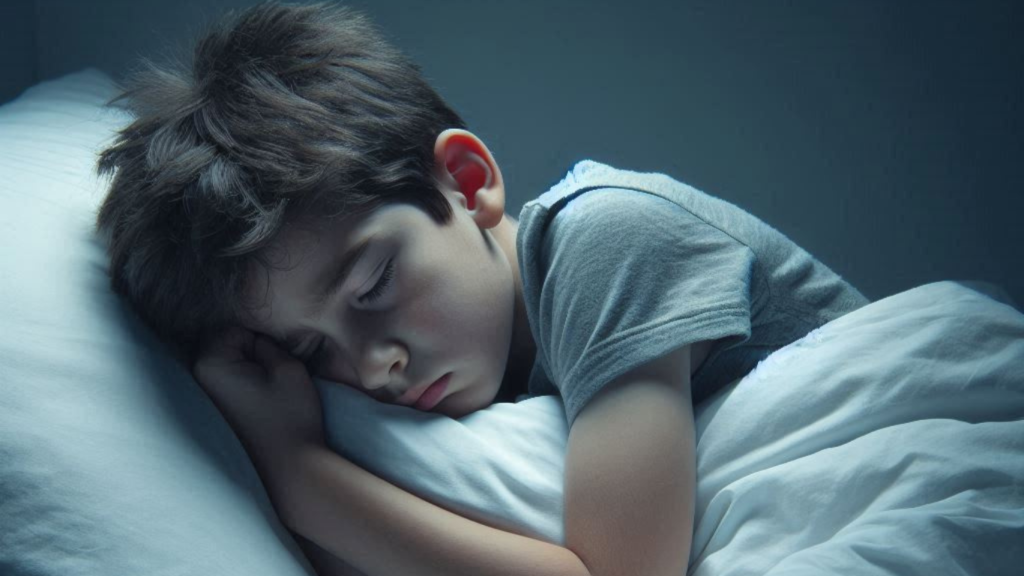
The Link Between ADHD and Sleep Apnea
Drastic changes in a person’s life might result from sleep apnea and attention deficit hyperactivity disorder (ADHD). Despite the fact that the two problems may not appear to be related at all, research indicates a significant association between them. Improved sleep apnea and ADHD diagnosis and treatment may depend on our ability to comprehend this link.
We explore the fascinating connection between sleep apnea and ADHD in this blog post. We’ll look at how sleep apnea may present as symptoms of ADHD, thus misdiagnosing the condition. We’ll also talk about how obstructive sleep apnea (OSA) can cause sleep deprivation, which can exacerbate pre-existing symptoms of ADHD. You can take action towards a more accurate diagnosis and improved treatment of both disorders by realising this relationship.This includes seeking the help of a psychologist in Kadavanthara, who can provide specialized care to address the unique challenges faced by individuals with ADHD and sleep apnea.
Table of Contents
- Understanding Sleep Apnea and ADHD
- The Sleepless Struggle: How Sleep Apnea Mimics ADHD
- Symptoms of sleep apnea can include
- A Double Whammy: How Sleep Apnea Worsens ADHD
- Untangling the Web: Getting the Right Diagnosis
- Breathing Easy, Thinking Clearly: Treating Sleep Apnea for Improved ADHD Management
- Conclusion
Understanding Sleep Apnea and ADHD
Sleep Apnea: A typical indication of the serious sleep disorder sleep apnea is breathing pauses during sleep. The duration of these stops might range from a few seconds to several minutes, and they can occur multiple times over the night. Between these bouts, the blood’s oxygen content decreases, which may cause the patient to gasp for air (often unconsciously and unexpectedly). This pattern of disrupted sleep disrupts the body’s regular sleep cycles and prevents people from reaching the deep, restorative sleep stages that are essential for feeling rejuvenated and achieving peak performance.
ADHD: Attention Deficit Hyperactivity Disorder (ADHD) is a neurodevelopmental disorder that affects millions of children and adults worldwide. It is characterized by persistent difficulties with attention, focus, hyperactivity, and impulsivity. People with ADHD often struggle to stay on task, resist distractions, and control their impulses. While the exact causes of ADHD are not fully understood, it is believed to be a combination of genetic and environmental factors that affect the brain’s development and function. For those seeking specialized care, ADHD treatment in Kochi offers a range of options to help manage and alleviate symptoms effectively.
The Sleepless Struggle: How Sleep Apnea Mimics ADHD
Think about sleeping through only part of the cycle. You have trouble concentrating, your mind is foggy, and you wake up exhausted. Sleep apnea-related chronic sleep deprivation can cause symptoms that are very similar to ADHD symptoms:
- Inattention: Fragmented sleep disrupts the brain’s ability to process information, leading to difficulty focusing and following instructions.
- Hyperactivity:Children with sleep apnea may experience agitation and an energy spike to make up for daytime weariness.
- Impulsivity: Sleep deprivation can impair impulse control, leading to quick decisions and difficulty following through on tasks.

Symptoms of Sleep Apnea can Include:
- Loud snoring
- Witnessed breathing pauses during sleep
- Gasping or choking sensations upon waking
- Excessive daytime sleepiness
- Difficulty concentrating
- Morning headaches
- Irritability
- Mood swings
A Double-Whammy: How ADHD Is Worsened by Sleep Apnea
For people with ADHD, sleep apnea is undoubtedly a double-edged sword. Here’s how to go about it:
- Enhanced Symptoms:The brain’s capacity to control focus, attention, and impulsivity is hampered by sleep apnea, which exacerbates pre-existing ADHD symptoms.
- Enhanced Dissatisfaction:Frustration might occur when managing symptoms of ADHD becomes difficult due to sleep apnea. The emotional stability and sense of self of a person may suffer as a result.
Sorting Through the Net: Selecting the Accurate Result
So how can you find out if you have ADHD, sleep apnea, or both? The following is what you can do:
- Consult your physician: Talk about your symptoms in detail. A sleep study can be used to diagnose sleep apnea, and a comprehensive evaluation can be used to diagnose ADHD.
- Be Aware of Your Sleep Patterns: Keep an eye on the quality of your sleep and record any disruptions.
Breathing Easy, Thinking Clearly: Treating Sleep Apnea for Improved ADHD Management
The favourable tidings? The symptoms of ADHD can be considerably reduced by treating sleep apnea. Typical therapies consist of:
- CPAP Therapy: A device that maintains your airway open while you sleep by continuously applying positive airway pressure.
- Oral Appliances: Devices worn in the mouth to prevent airway collapse.
Treating your sleep apnea will improve attention, reduce hyperactivity, and better manage symptoms of ADHD by giving your brain the rest it needs to function at its best.
Conclusion
It’s critical to comprehend how sleep apnea and ADHD are related. You may escape the vicious cycle of sleep deprivation and take back control of your attention, vitality, and general well-being by identifying the overlap and getting the appropriate assessment. Never forget that sound sleep is the cornerstone of both physical and mental well-being.
Do You Need Help Focusing?
Don’t endure pain in silence! Consult your physician about sleep apnea; it could significantly improve your quality of sleep.